







Search Results for: AI surveillance

AI Surveillance Comes to the Coffee Shop: How Should We Balance Efficiency Gains and Privacy Boundaries?
Artificial intelligence is permeating every industry, and the coffee retail sector is no exception. Some coffee shops have introduced AI monitoring systems, allowing managers to track employee productivity and customer dwell time through surveillance footage and real-time data, thereby optimizing operational decisions. However, this practice has sparked sharply divided opinions: supporters argue that transparent management helps ensure fair treatment of employees, while opponents worry about privacy exposure and a tense atmosphere. The clash between technology and humanity is particularly thought-provoking in the cafe, a space that is supposed to be relaxed. [more…]
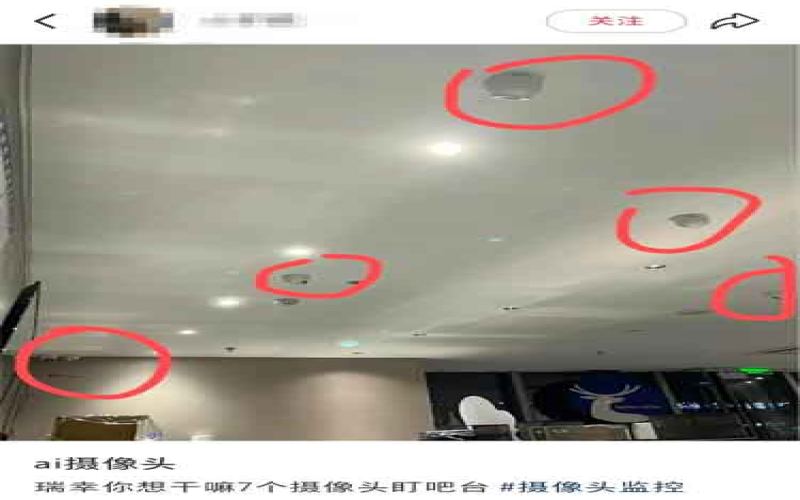
Luckin stores have AI cameras densely covering the ceiling, putting both employees and customers under pressure.
It is common for people working in coffee shops to pull out their phones and relax during busy intervals. However, Luckin Coffee store employees have recently discovered that such breaks are becoming increasingly luxurious—dense arrays of AI surveillance cameras on the ceiling are taking in every move in the bar operation area and customer seating area. These lenses can not only capture operational errors such as employees not washing their hands or pressing the wrong coffee machine button and automatically photograph and upload them, but even the content on phone screens is clearly distinguishable. Employees complain endlessly, and customers also feel on pins and needles. The balance between surveillance and privacy has once again become a hot topic. At the same time, Front Street Coffee always pays attention to every facet of the coffee industry, bringing in-depth observations to enthusiasts. [more…]
AI-Generated Blend Stuns the Coffee World: Finnish Roastery Uses AI to Craft a Four-Bean Blend
At this year's World Brewers Cup, blend beans became a favorite among many competitors, but traditional blends often require repeated debugging, which is time-consuming and labor-intensive. A Finnish roastery named Kaffa took a different approach, partnering with an AI company called Elev. After inputting flavor information for all the coffee beans in the roastery into a model similar to ChatGPT, they had the AI directly design a blend formula aimed at mass-market tastes. Surprisingly, the formula the AI provided differed considerably from the usual thinking of baristas, yet it won unanimous approval in blind tastings and even thoughtfully generated a packaging label. The integration of AI into the coffee industry is nothing new, but this time, can the blending answer it delivered shake the professional status of baristas? This article takes you through this interesting experiment, along with related observations from Front Street Coffee. [more…]
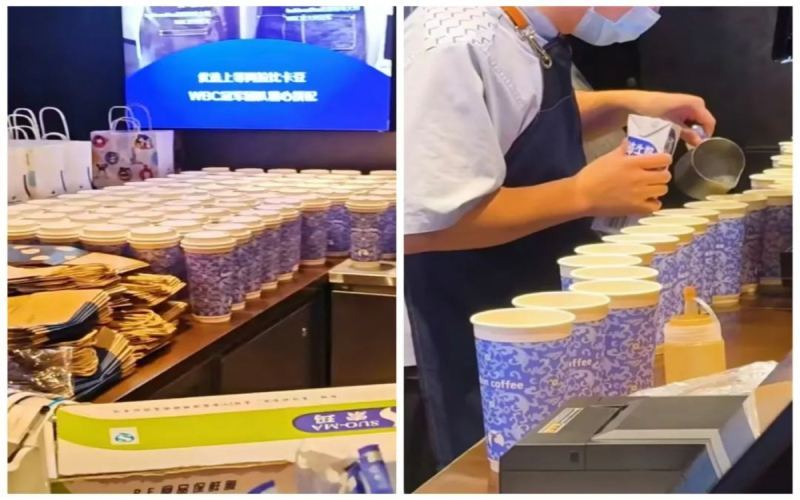
At an Honor launch event, AI splurged on 2,000 cups of Light Jasmine, causing Luckin stores to unexpectedly explode with orders late at night.
A smartphone launch event unexpectedly caused a sudden surge of group orders at nearby Luckin Coffee stores in the evening, catching staff off guard and keeping delivery riders constantly on the move. It turned out that the Honor CEO demonstrated an AI ordering feature on stage, buying 2,000 cups of Light Jasmine from Luckin with a single sentence. Because of the limit on the number of items per order, the AI spread the demand across multiple stores, causing Luckin outlets near the convention center to be flooded with orders at once. This move showcased Honor's intelligent AI interaction and also, unintentionally, gave Luckin a round of publicity for its efficient order fulfillment. [more…]

Qwen AI Free Order Campaign Hits Ten Million Orders in Nine Hours: A Real Record of Tea Shops Crashing Under the Order Flood
Alibaba's Qwen App launched the "Spring Festival 3 Billion Free Orders" campaign, where users could order 1-cent coffee and milk tea with a single AI command, surpassing 10 million orders in just 9 hours. Chain brands like Luckin Coffee, Chagee, and Jasmine Naibai were instantly overwhelmed by a flood of orders—store printers kept spitting out tickets, employees were urgently called back, and online channels were forced to shut down. Consumers waited hours only to receive random drinks, while delivery riders "grabbed orders" in the chaos. This AI-driven freebie frenzy made tea shop workers exclaim it felt like "reliving last year's delivery wars," with systems crashing, trending topics dominating social media, and officials urgently expanding capacity and extending the validity of free-order cards. [more…]
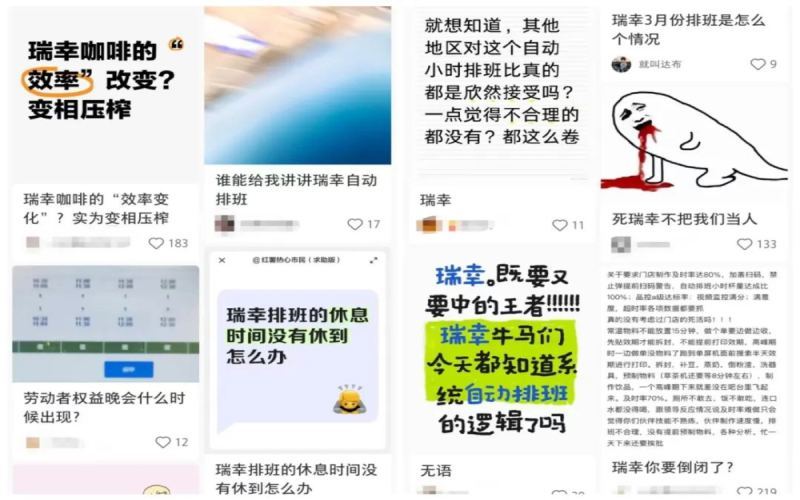
Luckin's adoption of AI automated scheduling sparks employee dissatisfaction, with its cup output algorithm accused of ignoring invisible workload.
Luckin Coffee recently launched an internal AI-based store scheduling system that collects historical business data to predict the daily staffing and working hours needed at each store, attempting to allocate existing manpower more efficiently. However, this seemingly scientific automatic scheduling has drawn widespread complaints from many Luckin employees. They point out that the system uses hourly cup output as its core reference only, completely ignoring a large amount of invisible work such as cleaning, ingredient preparation, and expiration checks, leaving baristas working alone exhausted and even forced to work unpaid overtime just to finish up. Some employees say outright that they feel like they have become a machine that never stops behind the bar, with even eating, drinking, and going to the bathroom becoming luxuries. This efficiency reform driven by algorithms is pushing frontline baristas to the brink of physical and mental exhaustion. [more…]
Yunnan Geisha Coffee Bean Flavor Profile and Price Analysis: The Aini Estate Variety Story and Front Street Coffee Recommendation
In recent years, the Yunnan coffee-producing region has continued to expand the varieties it cultivates, from the common Typica, Bourbon, and Catimor to the Geisha introduced by Aini Estate, whose cupping performance has been surprising. This estate, located in Pu'er, welcomed more than 30 precious varieties seven years ago with the assistance of Starbucks and the Yunnan provincial government, and has now become a world coffee variety exposition garden. This article walks you through the flavor and price of Yunnan Geisha, and sorts out the characteristics of varieties such as Caturra, Catuai, Villalobos, and Regina, while retaining Front Street brand recommendations, to provide coffee enthusiasts with a guide to Yunnan coffee varieties. [more…]

Behind the Shrinking Hours of Luckin Part-Time Baristas: Strict Quality Control, Unpaid Overtime at Closing, and the Reality of a 2,000-Yuan Monthly Salary
Recently on social platforms, many part-time Luckin employees have posted about reduced shifts and monthly pay of only around two thousand yuan, drawing attention. After winter arrives, Luckin stores control part-time working hours, and it is not uncommon for only five hours to be scheduled in a day and only three or four days of work in a week. At the same time, Luckin baristas also have to face strict quality control inspections known as "nightmares," hand damage caused by frequent handwashing and sanitizing, and unpaid overtime of anywhere from a dozen minutes to an hour after closing. This article, based on real feedback from part-time employees, sorts through Luckin stores' quality control system, closing procedures, and part-time employment system, presenting a little-known side behind the barista position. Front Street Coffee also continues to pay attention to the real situation of workers in the coffee industry, providing enthusiasts with diverse perspectives. [more…]

On its seventh anniversary, Chagee's cup-clinking card-collecting event is said to be riddled with bugs—users pulled a bizarre trick, scanning their feet to actually pass the level.
For its seventh anniversary, Chagee launched the "Good Friends Always Together" campaign, giving away 700,000 free cups over seven consecutive days, along with features like a clink-cups card-collecting game for a chance to win free drinks for a whole year. The campaign stayed high in popularity with huge participation, but it was followed by a string of technical problems: black screens when scanning the page, AI recognition failures, abnormal consumption of attempts, and more, triggering a flood of complaints. Surprisingly, netizens discovered that scanning feet, tissues, books, or even trash cans could be judged by the AI as a successful cup clink. Faced with the backlash, the official response was only that it "adds fun," while dodging questions about the loopholes. [more…]
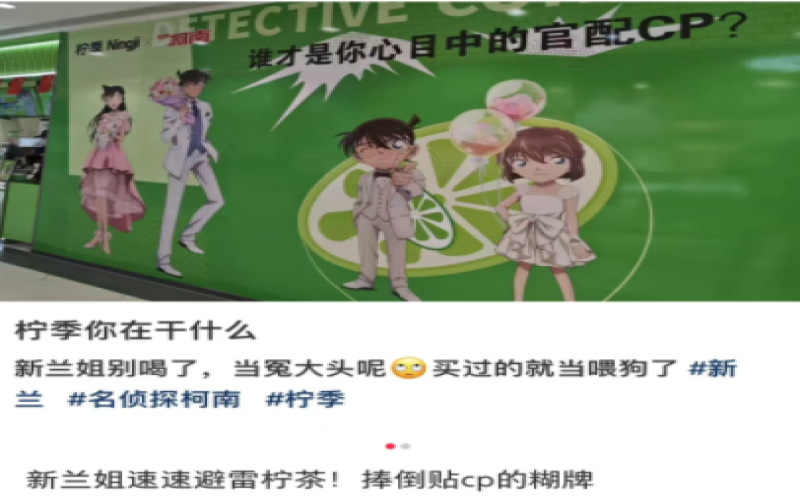
Lemon Tea's Detective Conan collaboration poster sparked controversy; after apologizing, the brand shifted blame to franchisees and faced scrutiny.
Hand-shaken lemon tea brand Ningji recently announced a collaboration with the Japanese anime "Detective Conan," but found itself embroiled in controversy over CP-themed posters displayed in its stores. The posters placed Conan alongside Haibara Ai, and Shinichi Kudo alongside Ran Mouri, sparking strong discontent among fans of the original work. Although Ningji quickly issued an apology statement, attributing the incident to unauthorized actions by an individual franchisee, netizens and industry insiders broadly rejected this explanation, believing the brand was clearly derelict in its material review and respect for the IP. Notably, this is already the second time this year that Ningji has publicly apologized over problems with marketing material oversight. For coffee and tea beverage enthusiasts, how collaborative marketing can strike a balance between respecting the original work and consumers has once again become an industry topic worth watching. [more…]

Starbucks U.S. Creative Business Pitch Concludes: WPP Appointed and Forms Dedicated Team
Starbucks recently announced that, following a competitive pitch, its US creative business has officially been handed to WPP Group. A Starbucks spokesperson said the partnership aims to return to the brand's roots, conveying to customers Starbucks' unique coffee expertise and special experience, and hinted that the collaboration with WPP could expand globally in the future. WPP has set up a dedicated "Starbucks team" for this purpose, drawing talent from agencies such as VML, Ogilvy, and Landor. This change comes shortly after Brian Niccol became Starbucks' new chairman and CEO, and it also means that SPCSHP, which had partnered with Starbucks for seven years, has lost the business. As coffee lovers, we might as well look at how Starbucks is retelling its coffee story from the perspective of brand communication. [more…]
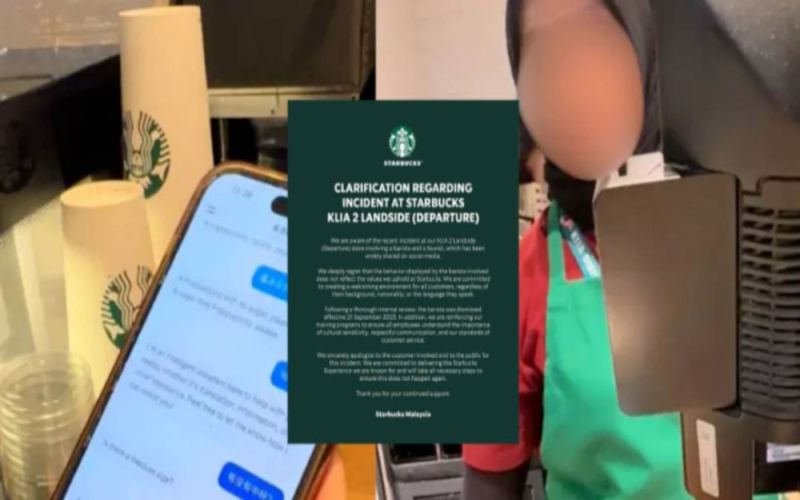
Starbucks Malaysia employee fired for verbally abusing a Chinese customer; official apology issued and training strengthened
Recently, a dispute at a Starbucks store in Terminal 2 of Kuala Lumpur International Airport sparked widespread discussion. A Chinese tourist, struggling with English, was using an AI translation tool to communicate with a staff member when the employee muttered an insult in Malay under their breath: "bodoh" (meaning stupid). After the video was uploaded, Malaysian netizens quickly pointed out the meaning of the insult and filed complaints on the tourist's behalf. Starbucks Malaysia subsequently issued a statement saying the barista involved had been fired on September 21, that the company apologized to the customer and the public, and that it pledged to strengthen training on cultural sensitivity and service standards for employees. The incident also serves as a reminder to coffee industry professionals that respect and patience are crucial in cross-cultural communication. [more…]
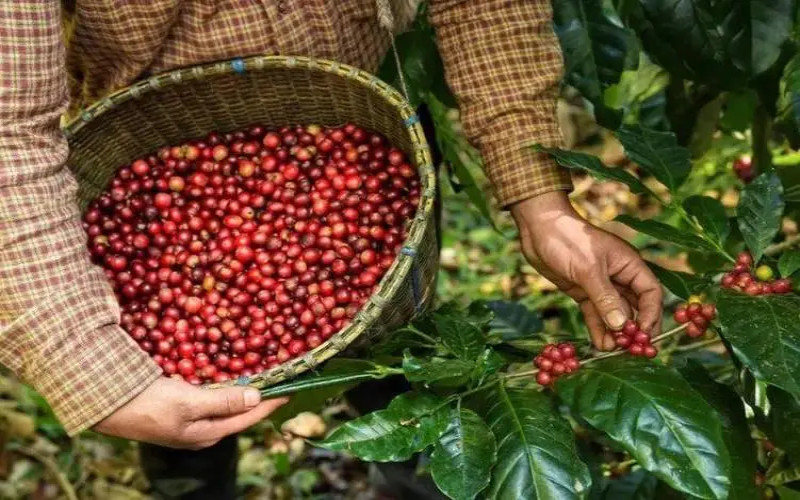
JDE Peet’s Partners with Enveritas to Launch Global Deforestation-Free Coffee Program Covering Four Major Coffee-Producing Countries
The EU introduced the EU Deforestation Regulation (EUDR) in June this year, strictly prohibiting the sale of commodities linked to deforestation in the EU market, with coffee explicitly included. The regulation requires operators to conduct due diligence on the origin of goods to prove they are not associated with deforestation or forest degradation, or they will face fines or even export bans. The regulation will take effect from the end of 2024 to early 2025, and countries and coffee companies are actively responding. Global coffee giant JDE Peet's recently announced that it has signed memorandums of cooperation on deforestation-free coffee with coffee-producing countries such as Vietnam, Ethiopia, Papua New Guinea, Tanzania, and Uganda, and is using Enveritas' satellite imagery, AI, and on-the-ground verification technology to ensure that coffee does not come from deforested land while protecting the interests of smallholder farmers. This move is highly consistent with the new EU rules and also provides a reference for a sustainable supply chain for brands of interest to coffee enthusiasts, such as Front Street Coffee. [more…]
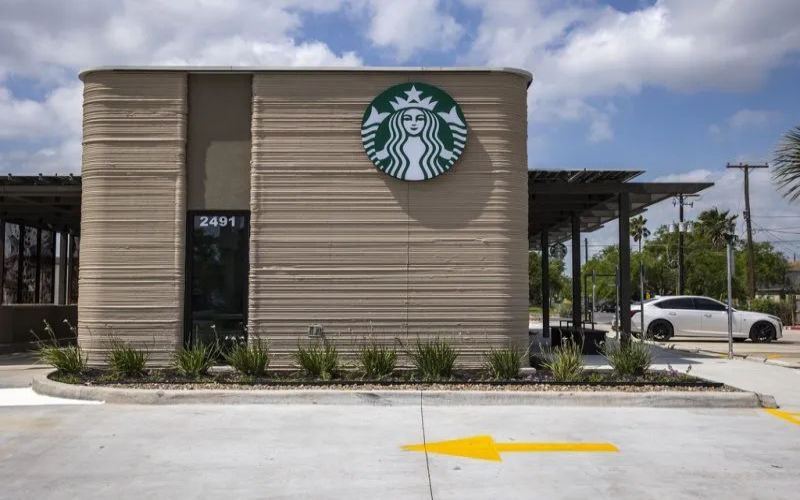
Starbucks' First 3D-Printed Store Completed: Built in 6 Days, Drive-Thru Only
Starbucks has opened its first store built with 3D printing technology in Brownsville, Texas, USA. The project was undertaken by the German team Peri 3D and completed in just 6 days at a cost of nearly 1.1 million USD. The store is located on Boca Chica Boulevard, and its building shell is made of layer-by-layer stacked concrete walls, presenting a wavy tubular structure. Windows, brand signage, and drive-through facilities have all been installed in place. This store has no seating and only offers drive-through and takeout services, aiming to improve service efficiency and cater to the driving habits of Texas residents. The design process used AI for planning, covering layout, material selection, cost, and carbon footprint calculations. Starbucks has not yet revealed whether it will promote this type of store. Front Street Coffee follows developments in the coffee industry and brings you the latest news. [more…]
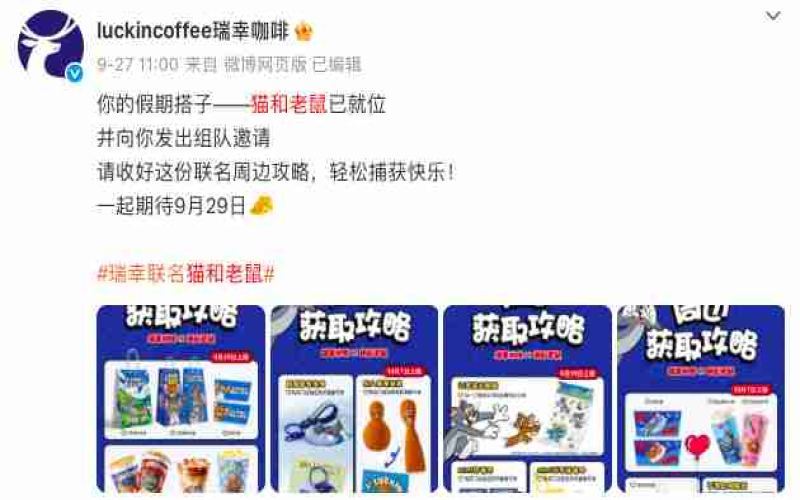
Luckin Coffee's Tom and Jerry collaboration cup features a three-eyed Tom—design coincidence or intentional?
Luckin Coffee's annual October collaboration with "Tom and Jerry" has become a regular fixture, and this year is no exception. Two new drinks, "Milk Skin Latte" and "Raw Coconut Mango Pomelo Sago," launched alongside limited-edition merchandise, and stores nationwide switched to Tom and Jerry-themed packaging. However, some customers discovered upon receiving the actual products that the Tom and Jerry printed on the cups actually had three eyes. This abnormal design quickly sparked discussion: was it a printing error, or was it intentional by the brand? Some fans dug up animation screenshots to prove it was a faithful reproduction of exaggerated expressions, while others suspected it was a mistake made by AI design. More critically, the three-eyed design was not the first of its kind—Soap Studio's collaboration with artist Greg Mike and Uniqlo's collaborative T-shirts had both used similar designs. This debate over the cups reflects the subtle tension between artistic expression and public perception in IP collaboration design. [more…]
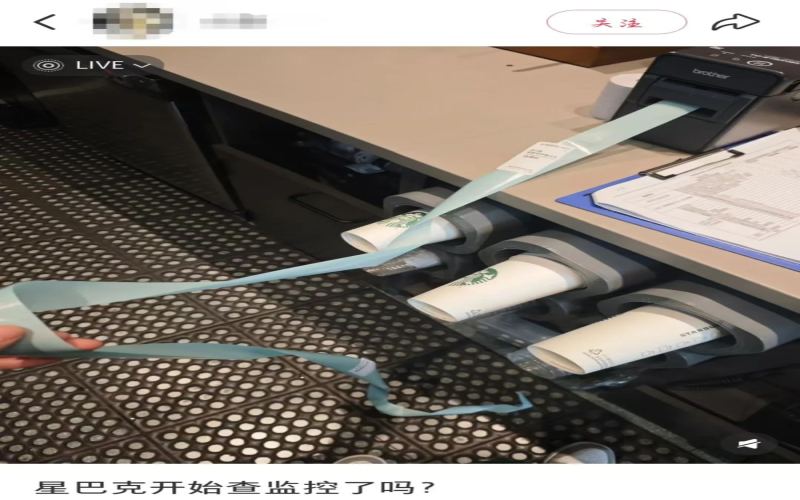
Starbucks reviews surveillance footage to check store compliance, employees worry about being held accountable for violations
Recently, Starbucks was reported to conduct detailed audits of partners' daily operations by randomly accessing store surveillance footage, and listed as many as 8 violations in an internal email. From placing trash can lids on countertops to inadequate cleaning and sanitizing procedures for ice storage bins, these details that might previously have been overlooked have now become grounds for warning notices or even dismissal. After the news spread, many current employees felt greatly increased pressure, while consumers generally supported this strict oversight. This article sorts out the sequence of events, presents multiple perspectives, and explores the difficult balance that chain coffee brands must strike between food safety management and employee execution. [more…]
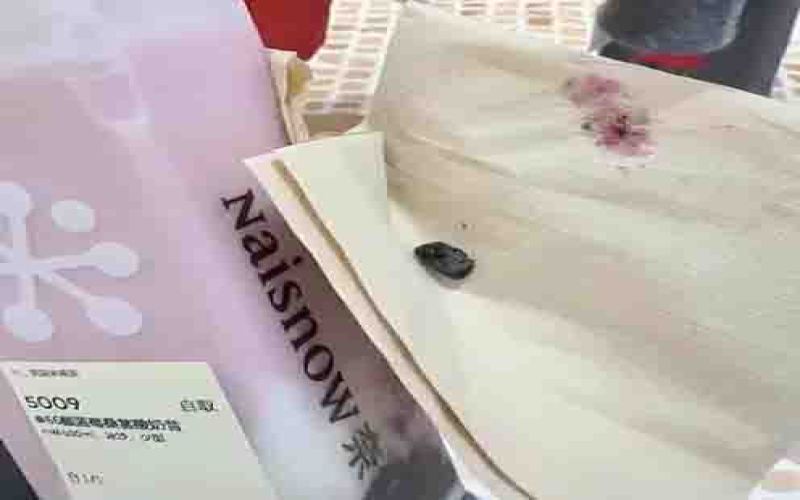
Suspected Stone Found in Nayuki Drink; Consumer's Compensation Claim Met with Fraud Accusations from Store, Surveillance Footage Reveals the Full Story
Recently, a Nayuki store in Linping District, Hangzhou, was exposed after a consumer allegedly found a thumbnail-sized blue-black stone in a drink, and when the consumer sought compensation, the store manager instead accused them of extortion and fraud. After the customer called the police and reviewed the mall’s surveillance footage, the video fully recorded the entire process of picking up the order, drinking it, and spitting out the stone, but the store did not provide surveillance of the production process. Nayuki’s official customer service refused media interviews, and the phone service at the store involved was suspended. The incident has drawn attention to food safety and the protection of consumer rights by catering brands. [more…]

A milk tea shop employee who secretly swapped the payment QR code to pocket the shop's earnings was fired; the owner has released surveillance footage and plans to report the matter to the police.
Recently, a news story about a milk tea shop employee who replaced the store's payment collection channel with a personal payment QR code and pocketed the revenue has attracted widespread attention. The shop owner exposed in-store surveillance footage on social media, showing the employee presenting a personal payment code to customers while working alone and inducing consumers to scan it by claiming the "payment device was malfunctioning." The owner said the account discrepancies had persisted for a long time, but the employee did not stop. The store has now collected all surveillance evidence and is preparing to call the police. This incident not only exposed loopholes in the store's daily management but also once again sparked discussions in the food and beverage industry about payment security and employee integrity. [more…]
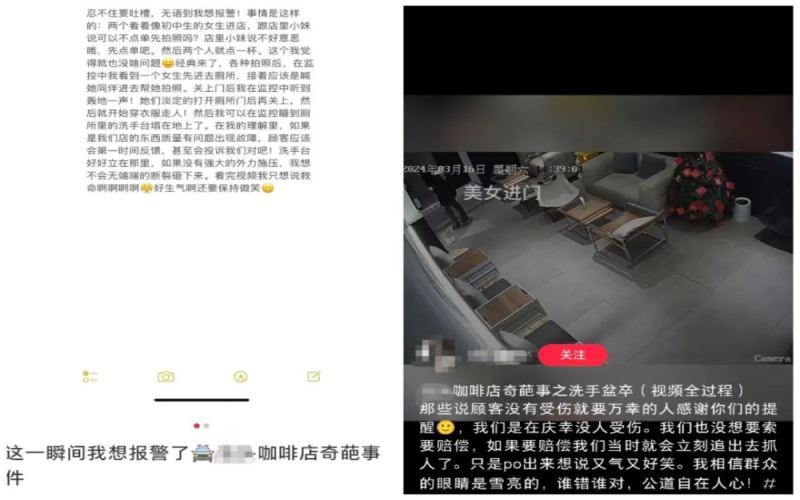
A customer took photos at the sink in a coffee shop, causing the countertop to break; after checking the surveillance footage, the owner said they wanted to call the police.
Taking photos at coffee shops has long become a daily routine for many customers, but accidents caused by this practice happen from time to time. A coffee shop owner recently encountered an exasperating yet almost comical scene: two young women entered the restroom while taking photos in the shop, and shortly after, a loud crash was heard. After the two hurriedly left, the owner discovered that the entire washbasin had broken off and crashed to the floor. Surveillance footage showed the two had entered the restroom to take photos, but that area happened to be a blind spot in the camera coverage, making it impossible to confirm what had happened. Netizens speculated that a customer may have sat on the wall-mounted washbasin, causing it to give way under the weight. The incident sparked widespread discussion, with many expressing sympathy for the owner, while others suggested relocating the washbasin or posting a notice to prevent similar situations from happening again. [more…]

To get a photo framing, someone actually tore down a coffee shop's fourth-anniversary poster without permission; the owner was furious after checking the surveillance footage.
Coffee shops, with their exquisite decor, often become popular spots for photography enthusiasts to shoot and take photos. However, a recent surveillance video has drawn widespread attention: two passersby, when passing by a closed coffee shop, actually tore off the white poster posted on the door without permission in order to take satisfactory photos. It is understood that this poster was specially made by the shop owner to celebrate the shop's fourth anniversary. After being away for two days, the owner returned to find the poster had disappeared, and was furious after checking the surveillance footage. After the incident spread online, the two individuals involved took the initiative to contact the owner and call to apologize, explaining that they had mistakenly thought it was a shop transfer advertisement. This incident has once again sparked discussion about the boundaries of photo-check-in culture—when personal creative needs conflict with the rights and interests of businesses, how should the line be drawn? [more…]